
Since May of last year, through continuous field activities, CEDIS has reduced losses on the electricity distribution network by 0.62 per cent, while increasing the amount of electricity taken by 9 per cent over the same reference period. The 0.62 per cent reduction in losses also reduced the total quantity of electricity needed to cover losses that CEDIS purchases on the market, resulting in savings of approximately 2.5 million euros over the past year (based on the average prices CEDIS paid for electricity during that period).
“Given the unprecedented instability in the energy market, taking action to reduce network losses as much as possible, including all forms of unauthorised consumption, is the only constructive response, and one that the company will continue to pursue. Over the past 12 months, losses have therefore been falling steadily, by more than 0.5 per cent per month, with reductions of over 1 per cent recorded in some months, alongside a constant monthly increase in the amount of energy taken. When these percentages are translated into monetary terms, the savings amount to millions. Achieving these results requires seriousness and consistency in the field. We have developed an effective field operations system, making maximum use of the advantages of the advanced technology we have implemented. This enables us to monitor energy flows in detail and respond to irregularities promptly and consistently,” CEDIS said.
Since May of last year, CEDIS has billed approximately 5.5 million kWh (kilowatt-hours) of electricity for unauthorised consumption—theft—with a value of around 655,000 euros. Exceptional results have also been achieved in detecting and billing unauthorised electricity consumption by users who have connected themselves to the network without authorisation.
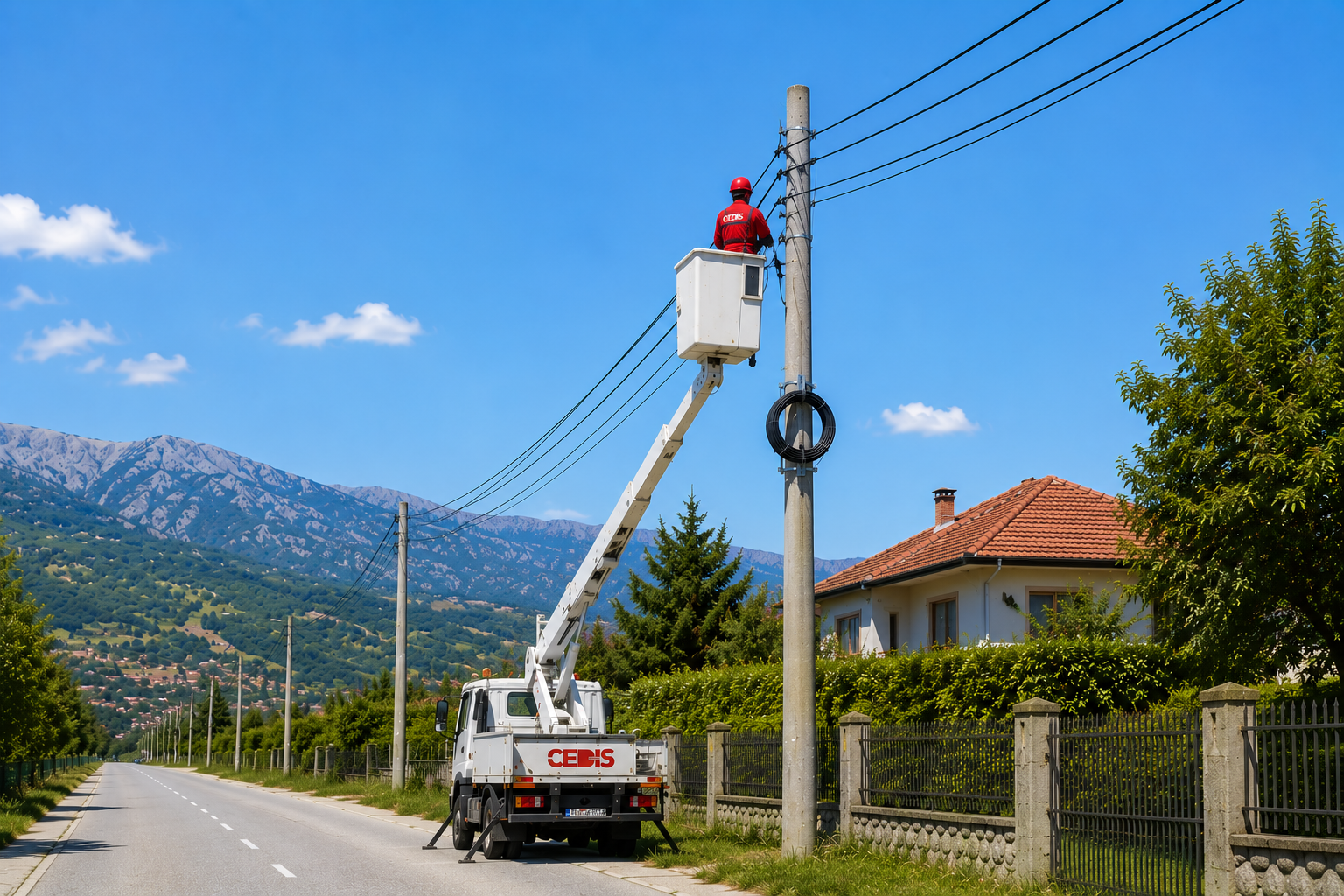
The result of intensive field activities is a downward trend in losses, which has continued this year despite the constant increase in electricity consumption. During the first four months of 2022, losses fell by 0.65 per cent compared with the same period last year, with particular emphasis on April, when a decrease of 1.04 per cent was recorded compared with last year’s figures.
“The results achieved are particularly significant when viewed against the broader, inherited picture of chaos. Illegal construction also means illegal connections and losses on the electricity distribution network. Existing infrastructure is being loaded without planning, increasing maintenance costs and reducing the impact of investments. In the field, detecting illegal connections and bringing them into compliance with the framework defined by law is a painstaking process that also requires the involvement of a significant number of employees. For CEDIS, particularly under the current conditions of global uncertainty in the energy market and unprecedented increases in the prices of equipment for maintaining the electricity network, all of this represents a serious financial burden. In addition, tackling this deeply rooted and widespread problem requires systemic support from the prosecution and judicial authorities, as well as the police, which has so far been insufficient and inconsistent. In view of these negative aspects, we believe that the results achieved are of particular value,” CEDIS concluded.
The campaign to curb unauthorised electricity consumption will continue in the coming period across all Montenegrin municipalities.