
One of the prerequisites for improving the business environment for the tourism and hospitality industry is the maintenance and development of energy infrastructure in municipalities offering tourism services.
The Montenegrin Electricity Distribution System contributes to the development of tourism in Montenegro by aligning its activities with the needs of municipalities preparing for the summer tourist season.
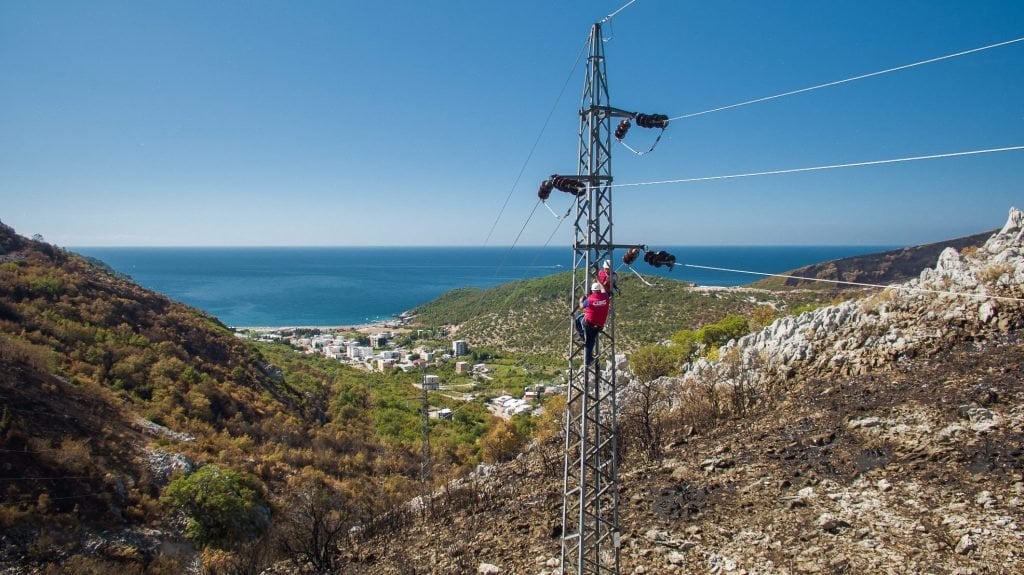
The 2023 maintenance plan was drawn up to prioritise, in the first and second quarters, maintenance activities on 35 kV power facilities in coastal municipalities. These activities include inspections, testing, servicing and overhauls of equipment, protection devices, and control and signalling devices.
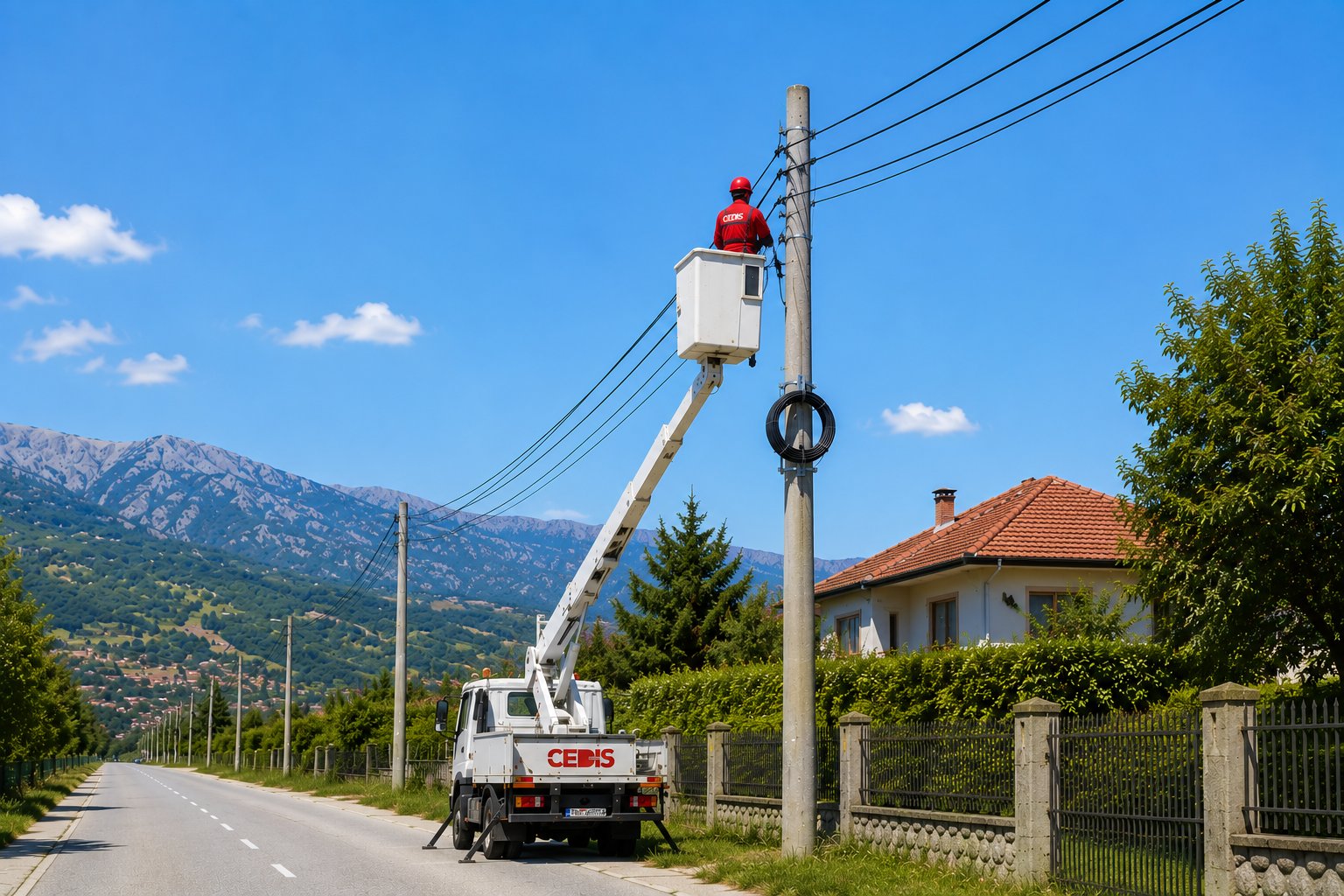
The 20 kV and 35 kV Maintenance Sector has approached the implementation of the planned programme with due diligence. Since February this year, it has intensified its activities and completed all planned works before the start of the tourist season. Implementation of the plan has created the conditions for an uninterrupted electricity supply to customers throughout the tourist season, while reducing the likelihood of faults and supply interruptions at facilities important to the tourism industry.
During the season, the 20 kV and 35 kV Maintenance Sector will not carry out planned outages. Instead, it will organise 24-hour standby and on-call operational teams so that it can respond immediately to any disruptions or faults in the electricity distribution system, in the interests of all customers across Montenegro, and particularly in areas offering tourism services.
It should be noted that, despite all preventive maintenance activities, unplanned events that may cause system disruptions and power supply interruptions cannot be foreseen. At the end of last month, unauthorised activity by a third party during construction works caused significant damage to the “Tivat 1” and “Tivat 3” 35 kV cable lines, which are vital to the electricity supply of the Municipality of Tivat, resulting in a supply interruption for customers in the area.
Following the considerable efforts of our teams, which were engaged in repairing the damage, a normal supply to customers in the Tivat area was restored. Further work by the competent Sector included additional testing and burying the cable to ensure that this line operates safely and reliably throughout the tourist season.
Despite the demanding day-to-day maintenance duties at power facilities, the Sector’s operational teams also provided full support for the implementation of investment projects important to the development of the electricity distribution system.
One of CEDIS’s strategic projects is the implementation of “smart grids” in the electricity distribution system, which involves establishing a SCADA/ADMS system for the remote control of distribution substations throughout Montenegro. The project is valued at an estimated €25 million.
Such a large-scale project requires phased implementation. The first phase provides for the deployment of the system at 40 substations with a 35/10 kV transformation ratio. As earlier analyses showed that 15 substations were unable to support the system, the necessary equipment upgrades were undertaken.
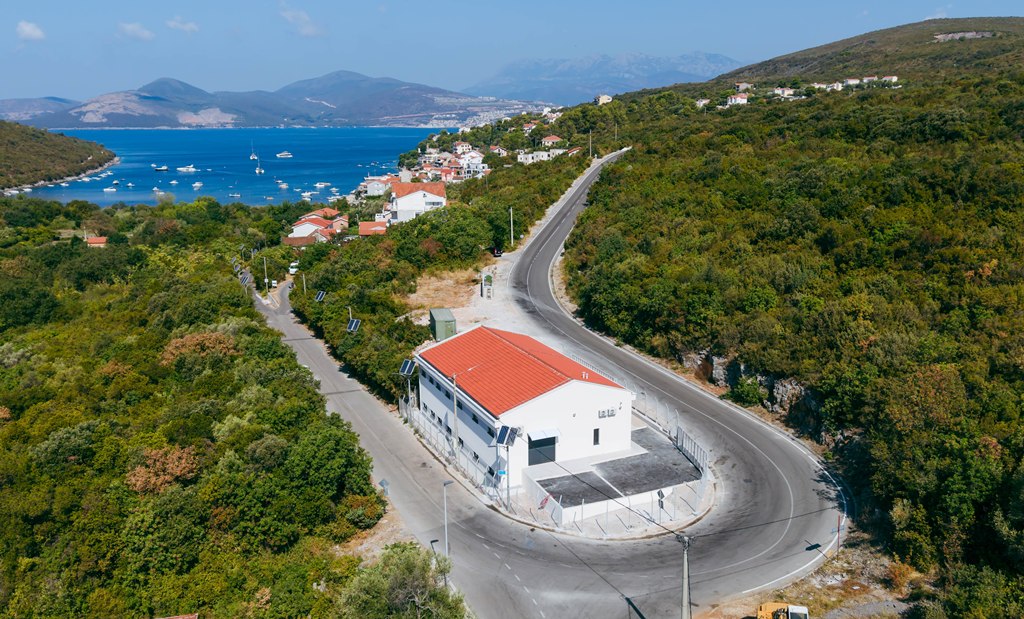
Preparatory works at the substations are progressing as planned, and ten substations in the municipalities of Bar, Budva, Kotor, Ulcinj and Herceg Novi have already been completed.
All resources of the 20 kV and 35 kV Maintenance Sector are dedicated to implementing this important project. Over the past five months, works have been carried out and equipment worth more than €500,000 has been installed.
Implementation of the SCADA/ADMS system will enable efficient management of the electricity distribution network based on real-time information about network operations, including visualisation of network processes and the ability to respond promptly to prevent overloading. Ultimately, this will reduce the number of outages and ensure a safer, higher-quality electricity supply for customers. Full monitoring of the network will also enable significant savings by further reducing losses in the electricity distribution system.